
Our beloved khwaja Garib Nawaj(R.A.)
Generally, there were so many spirtual leaders, harbingers of peace and prophets used to appear in every periods at past to spread the message of peace & love, universal brotherhood throughout the world. But it was an uncompareable examples, which the Sufi Sant, Kabir Das, Baba Gura Nanakjee Maharaj has done in India through their cordial messages of peace, universal brotherhood, humanism, love and integrity. As a result now we can see the unity among the diversity. Whenever, anyone remembers the name of any Sufi Sant firstly one name must comes to one's mind, that is Hazrat Khwaja Moinuddin Chisty.(R.A.) of Ajmer.
Approximately, 850 years before Khwaja Garib Nawaz was born in the village sanjar in Iran. After receiving the mandate of prophet Hazrat Mohammed Mustafa (Be peace in his soul) at the time of his prayers in Madina Sharif, Khwaja Sahib reached Ajmer alongwith his forty disciples. Thousand of people (From all religion) use to come to visit Khwaja Sahib being impressed with his amiable disposition and heart-touching speech and divine personality, Khwaja Sahib(R.A.) used to teach them for mutual love,mutual trust, mutual understanding, mutual goodwill and mutual respect and all to obey the parents by which almighty God will be pleased.
Khwaja Sahib left this mortal world since about 850 years passed. During all these centuries there are so many famous kings, Nawab and Emperors (Badshah) used to resent themselves in the Court of Khwaja Sahib and their Cherished desires were fulfilled by the grace of Khwaja Sahib. Those who come to his court never return in empty hands whether they may be Hindu, Muslim, Sikh, Christian or else others. Even to day the tradition of visit is still being continued. Not only in the Urs but also in the ordinary day thousand of devotees use to come over here with their hearty desires and offer flowers and chaddars to the Holy Shrine. Observing such hly performance any one can feel a divine peace in mind.
"The ways are different" "But Desitnation is one"
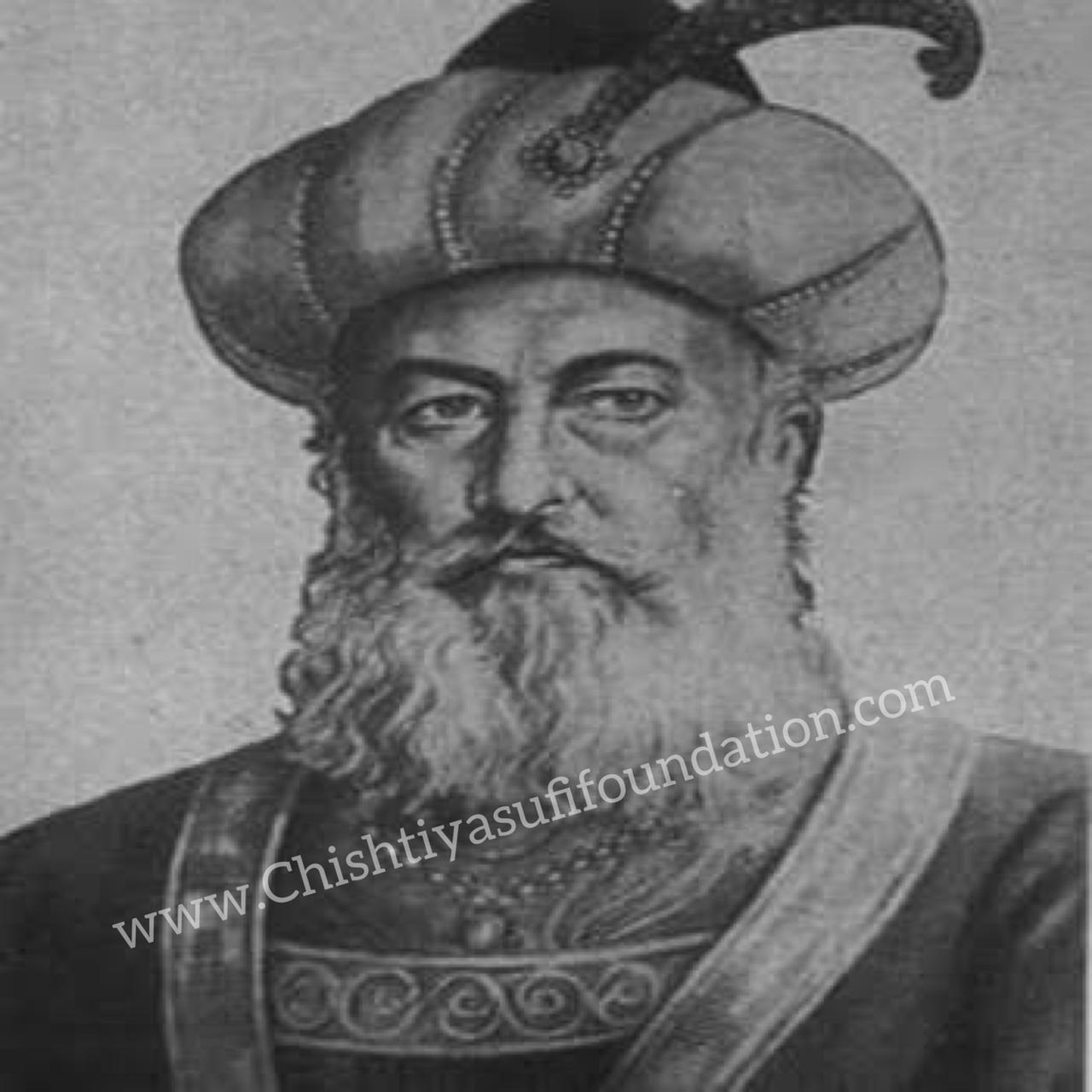
In 1191 A.D. after defeating Raja Prithviraj Chauhan, Sultan Ghori reached Ajmer. As soon as he saw Khwaja Sahib, he paid his homage and requested to be accepted as a disciple. Khwaja Sahib replied: "I am a Fakeer and both Fakeer and Badshah never come together. You are an emperor, so do your duty as an emperor."
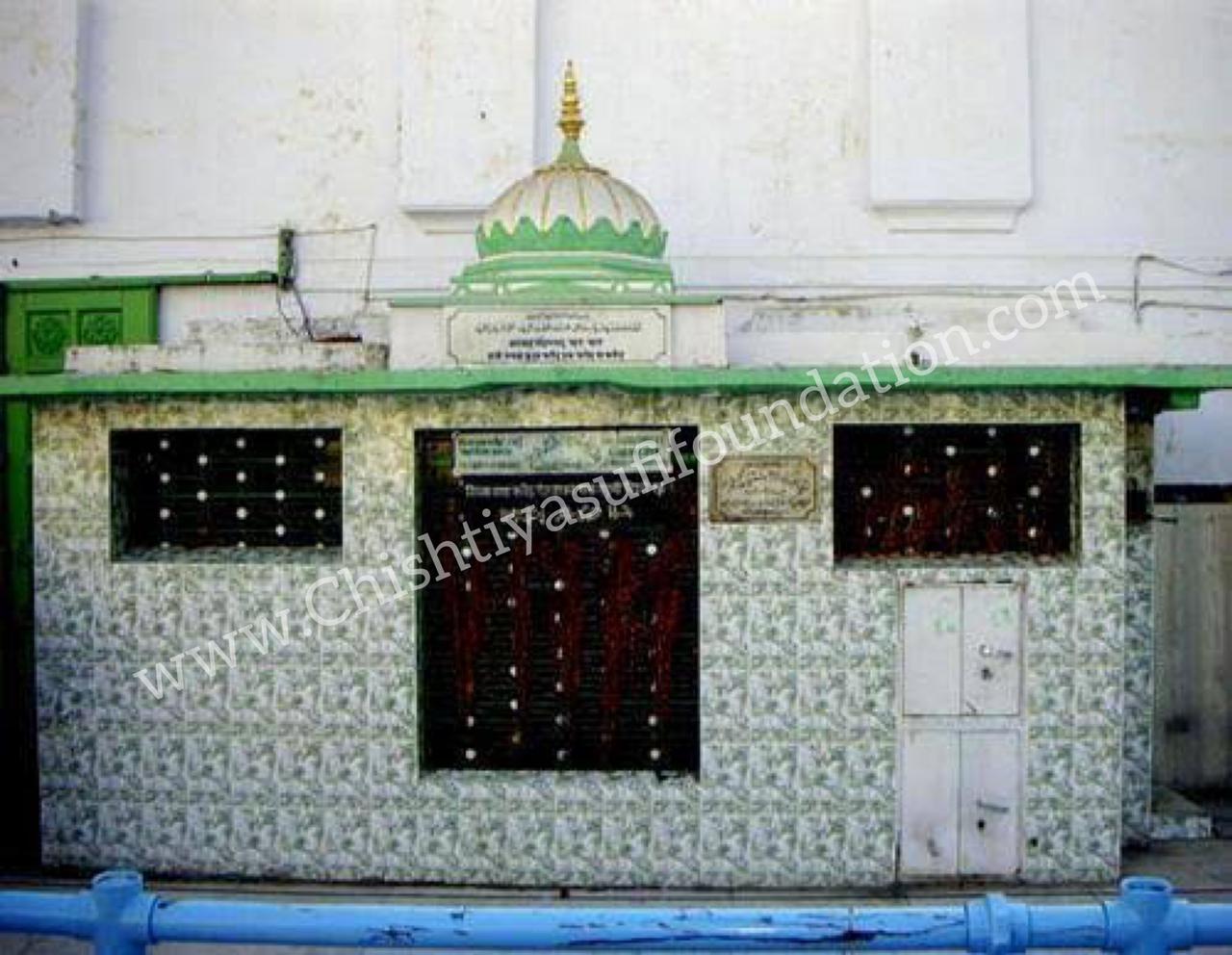
Hazrat Baba Farid Uddin Gange Shakar (R) was a disciple of Hazrat Khwaja Qutub Uddin Bakhtiar Kaki. On the 5th Muharram each year, lacs of devotees come to visit. In 1978, the Punjab Government and Sikh Communities held a vast seminar here and offered a glass chandelier and silver Chhanwar.
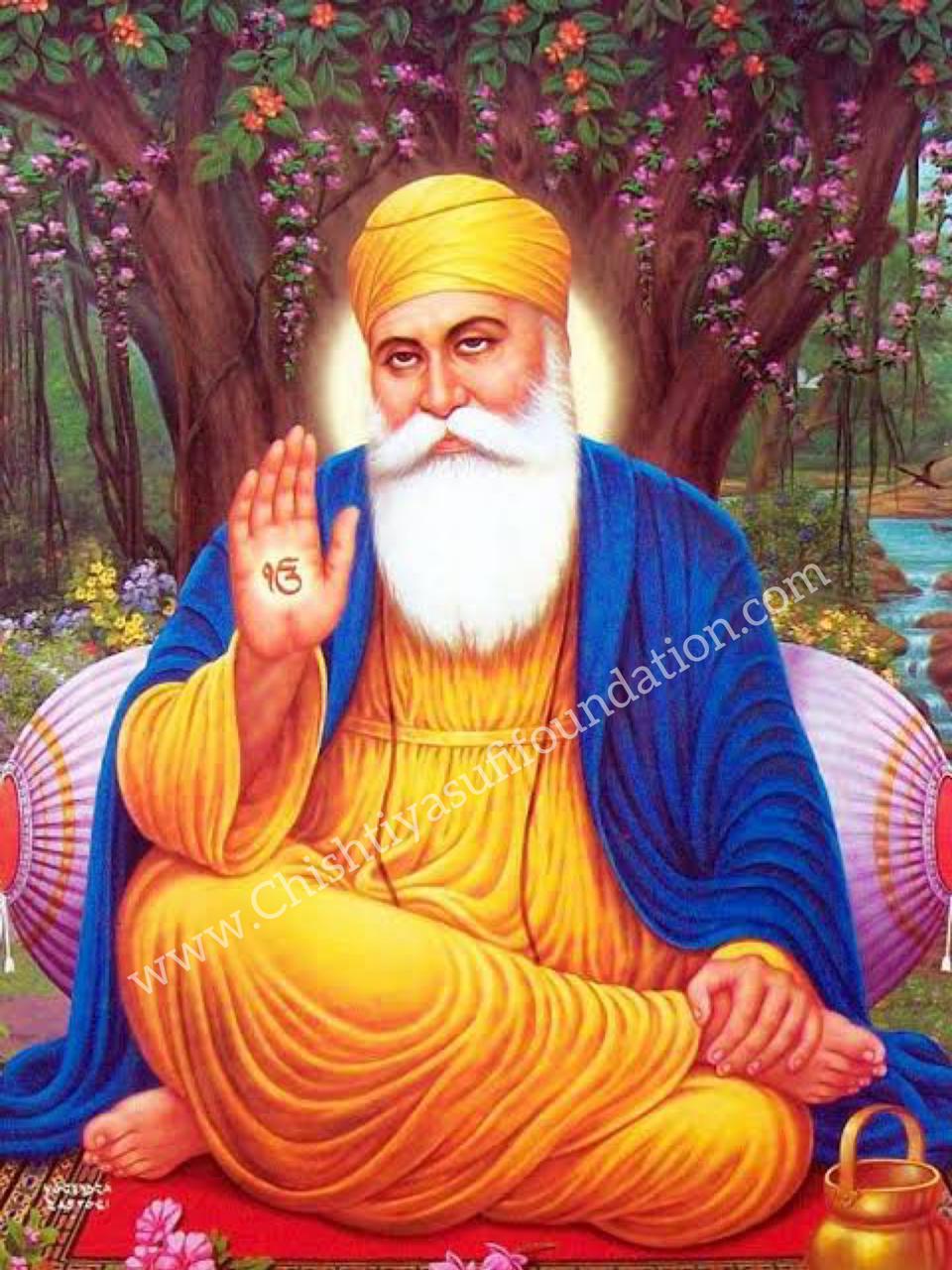
The spiritual leader of the Sikh religion stayed at the Darbar of Khwaja Sahib for 10 years, engaged in prayers. Guruji acknowledged Khwaja Sahib as a phenomenon of God on earth. Poet Iqbal wrote: "Wherein the land Chishty told the message of God, Nanak sang the song of unity therein the Garden."
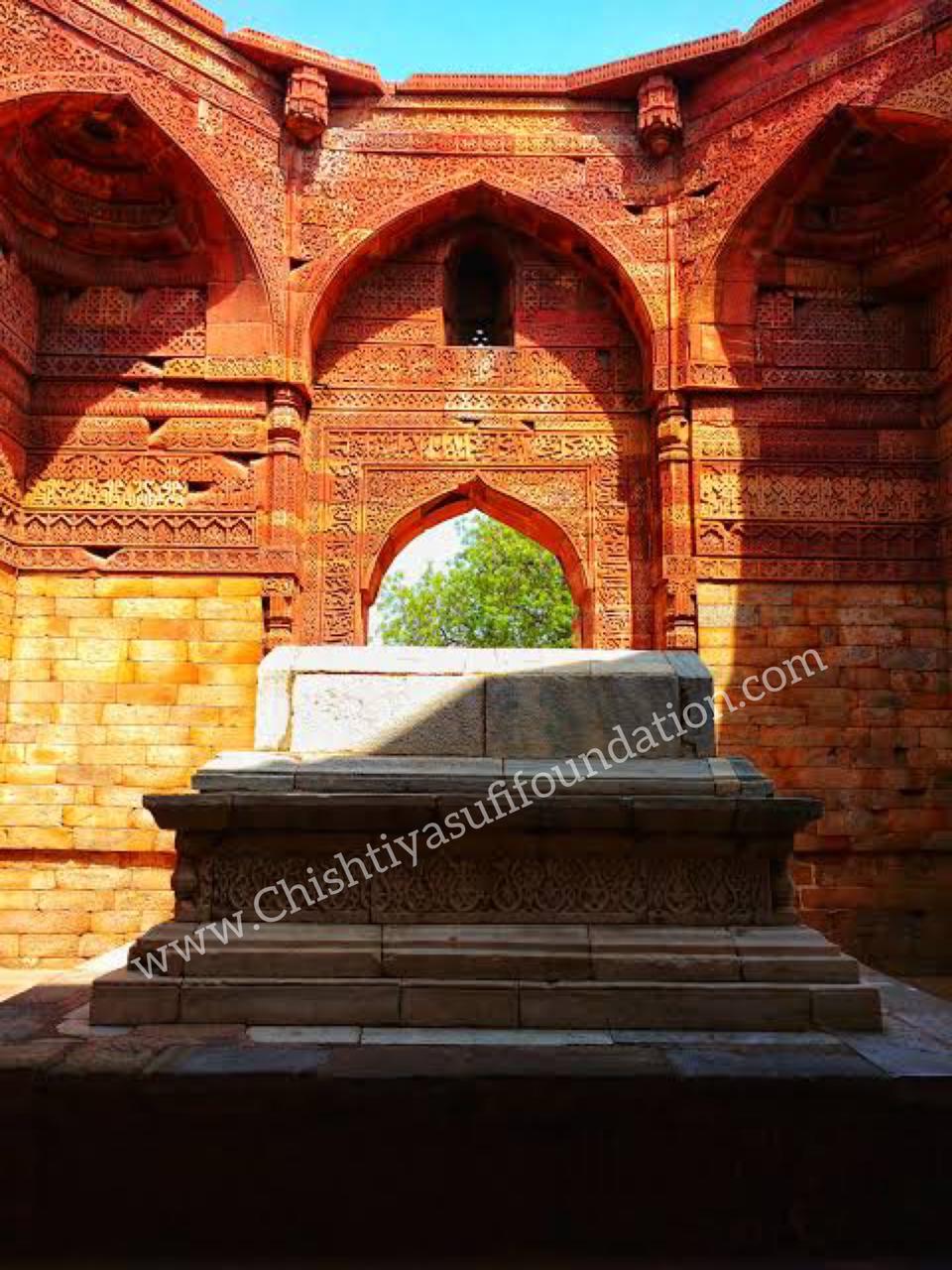
When Khwaja Sahib was sitting in a mosque in Baghdad, a 12-year-old boy named Shams Uddin passed by. Khwaja Sahib prophesied: "Till this boy becomes king of India, God will not take him." The prophecy came true, and Emperor Il-Tut-Mish later presented himself at the Darbar with great reverence.
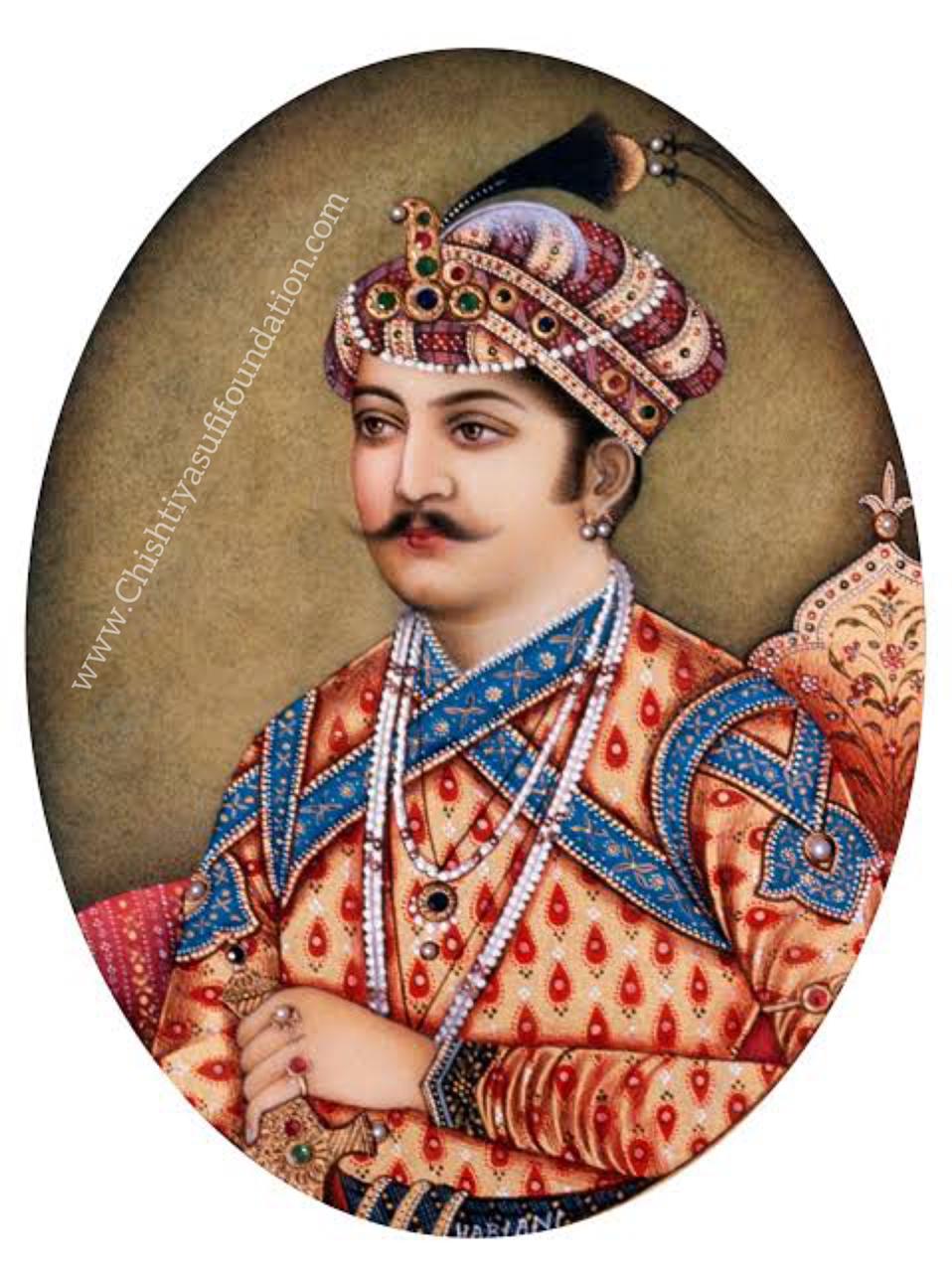
Emperor Akbar had no child for 38 years. He presented himself at the Court of Khwaja Sahib in 1567 A.D. By Khwaja Sahib's grace, a son was born. Akbar walked from Agra to Ajmer barefoot in gratitude and built the great cauldron (Deg) in which approx. 48 Qntl. food is cooked — a tradition that continues today.
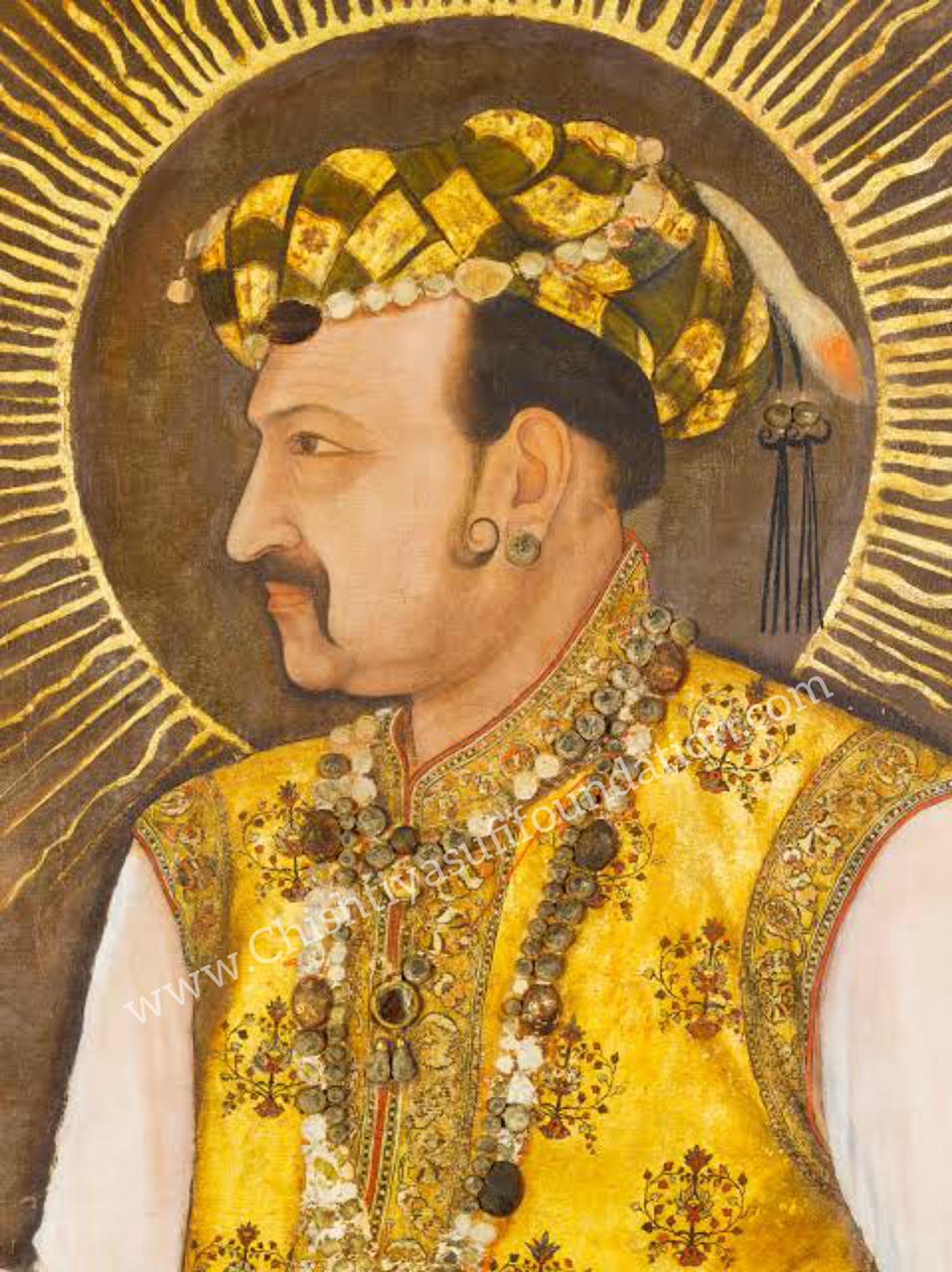
In 1613 A.D. Emperor Jahangir first visited the Darbar and offered a smaller cauldron (Deg). He replaced Akbar's shell fencing with a small golden fencing. After recovery from grave illness through Khwaja Sahib's grace, he wore pearl earrings as a symbol of being a slave of Khwaja Sahib — a custom that spread widely.
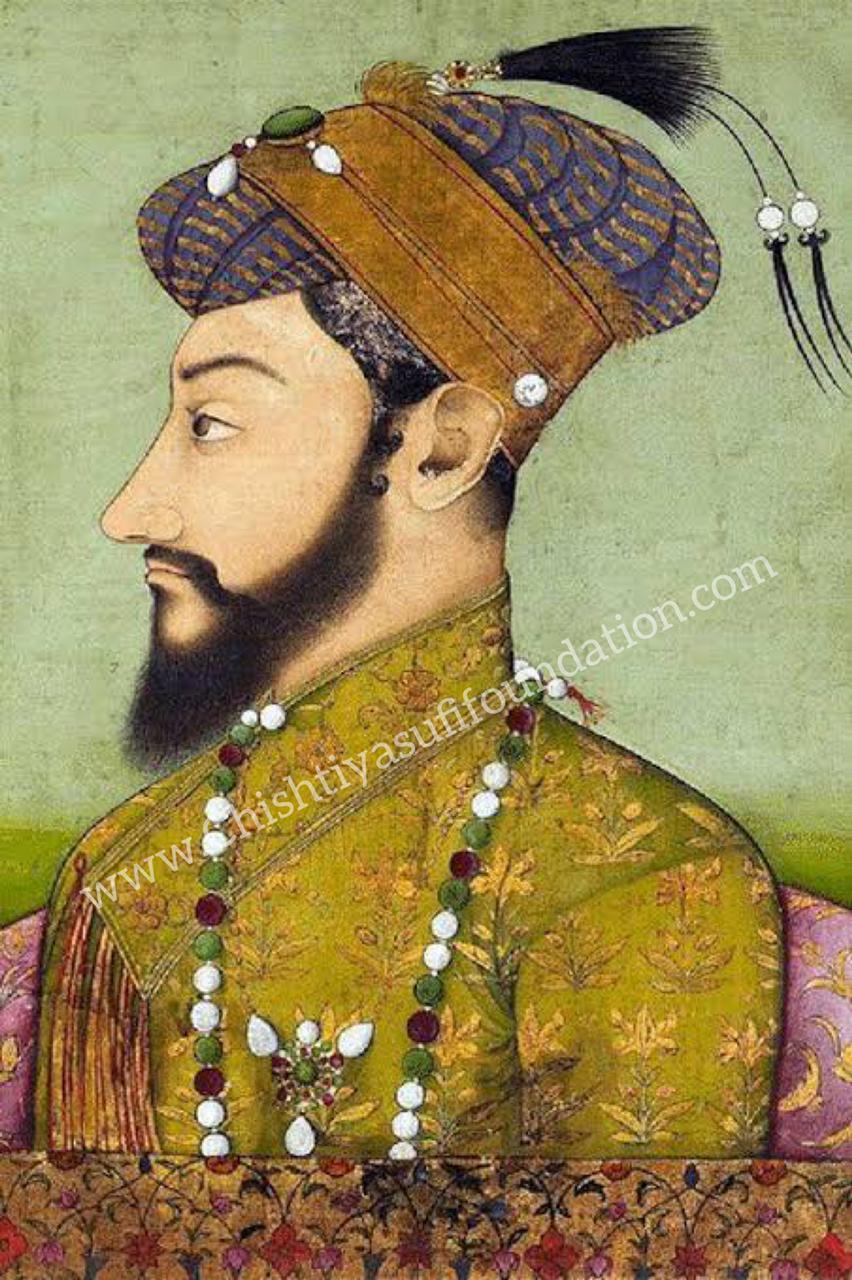
In 1637 A.D. Emperor Shah Jahan sought Khwaja Sahib's blessings before conquering the Deccan. After victory, he returned and offered a silver fencing (still present inside the Mazaar), built at a cost of Rs. 1.25 Lacs. He also built the magnificent Shah Jahani Masjid of white marble at the Darbar.
A sceptic who came to test Khwaja Sahib, Aurangzeb declared he would destroy the tomb if he got no reply. When he offered Salam three times, a voice replied: "Walaikum Assalam, Alamgeer Hujjati!" Amazed, he apologised. Khwaja Sahib said: "Go and rebuild all the Tombs and Temples you destroyed from Delhi to Ajmer."
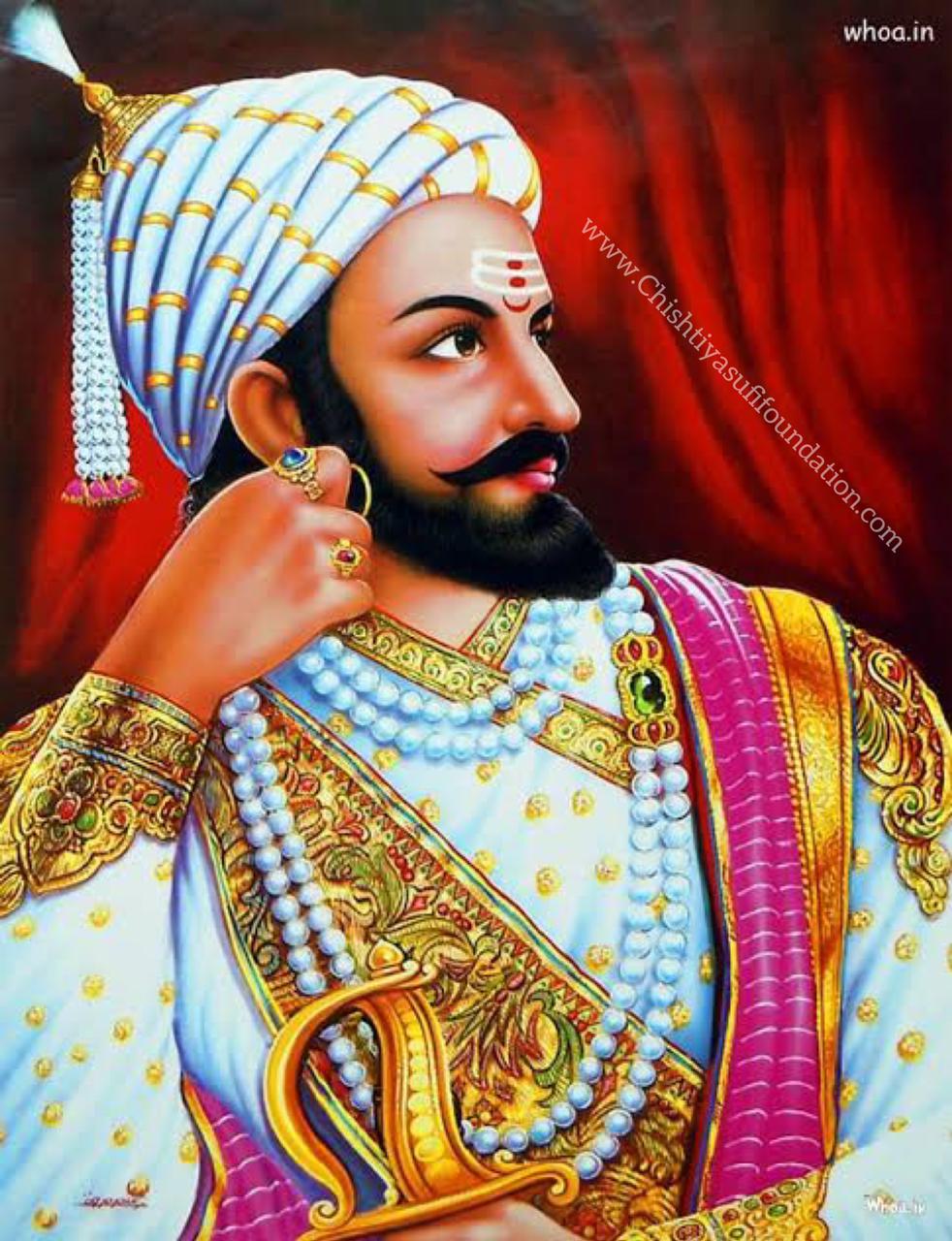
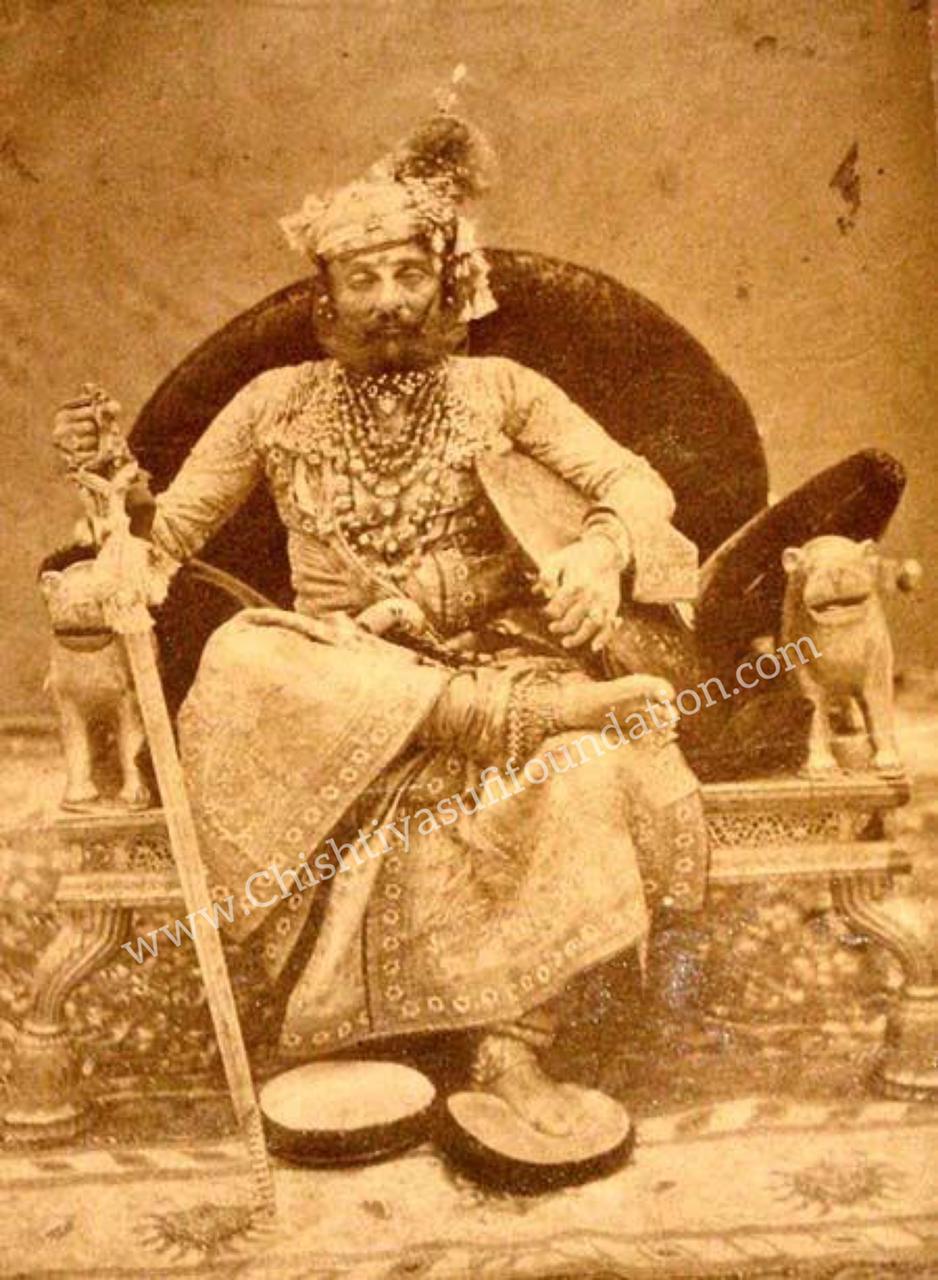
After Emperor Aurangzeb, the Marathas ruled over India. Maratha King Chhatrapati Shivajee also visited the Court of Khwaja Sahib. Nana Farnabis built the famous 'Nana-ka-Jhalra' on the Taragarh Hill during the Maratha period as a mark of devotion.
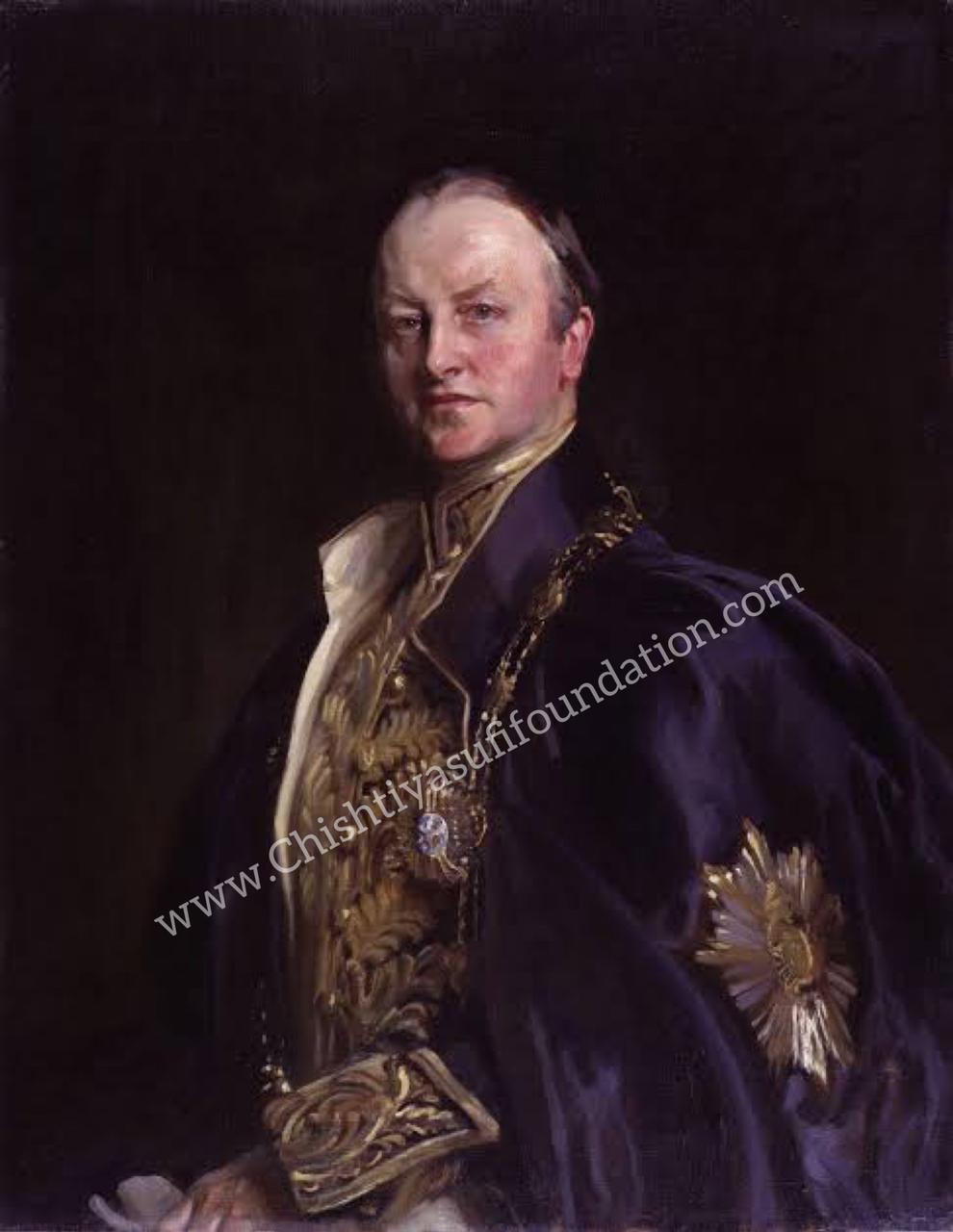
The glory of Khwaja Sahib spread not only across India but throughout the world. In 1902 A.D., Viceroy Lord Curzon visited the Tomb of Khwaja Sahib and was deeply moved. He declared: "A Tomb that is ruling all over India." His words stand as a testimony to the spiritual sovereignty of Garib Nawaz.
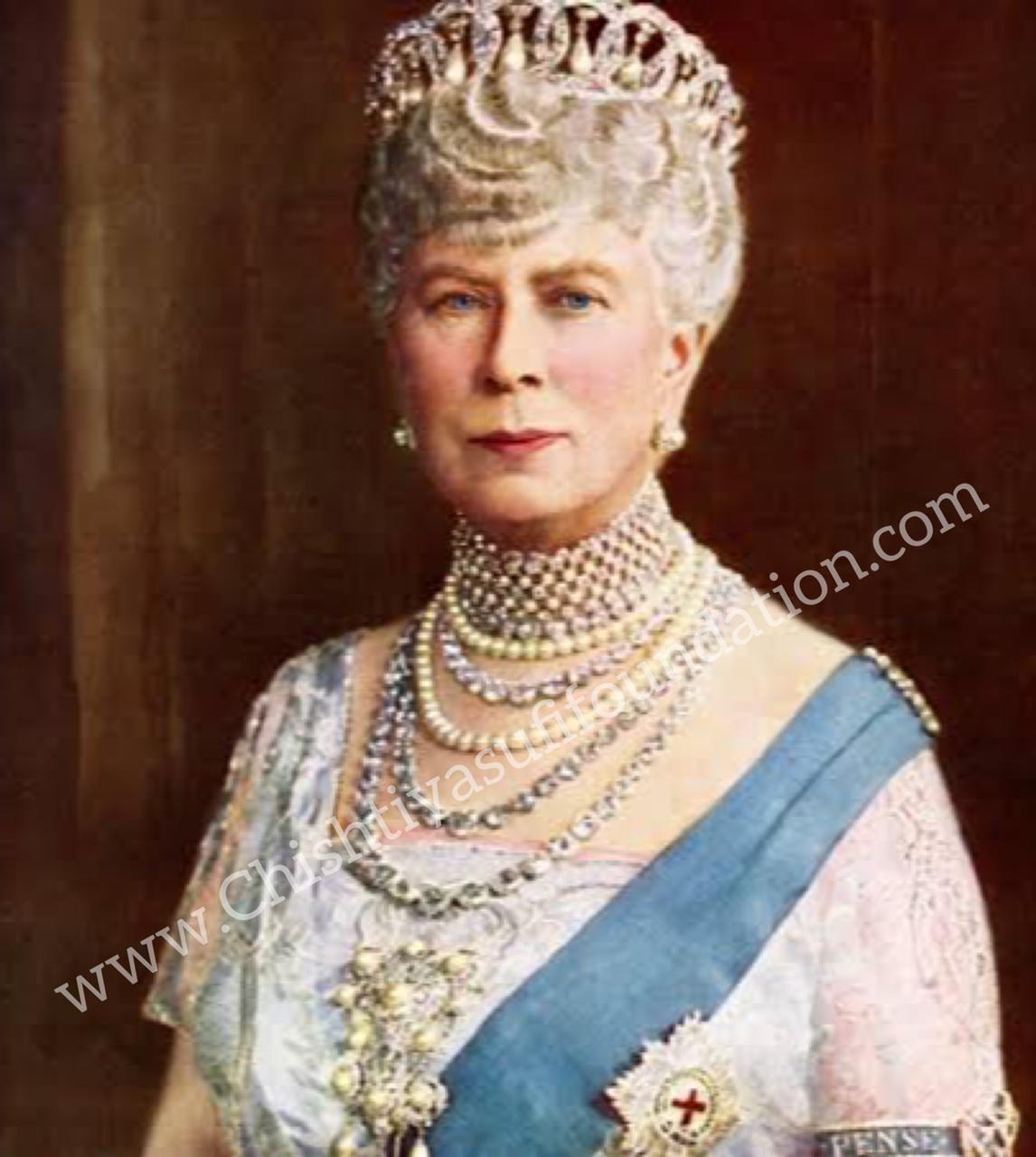
In 1911 A.D., Queen Mary visited Ajmer Sharif and, as a gesture of reverence, built a beautiful Water-Tank made of Marble Stone for the Namazees (those who offer prayers at the mosque). Her visit reflected the universal appeal of Khwaja Sahib's shrine that transcended religion and nationality.
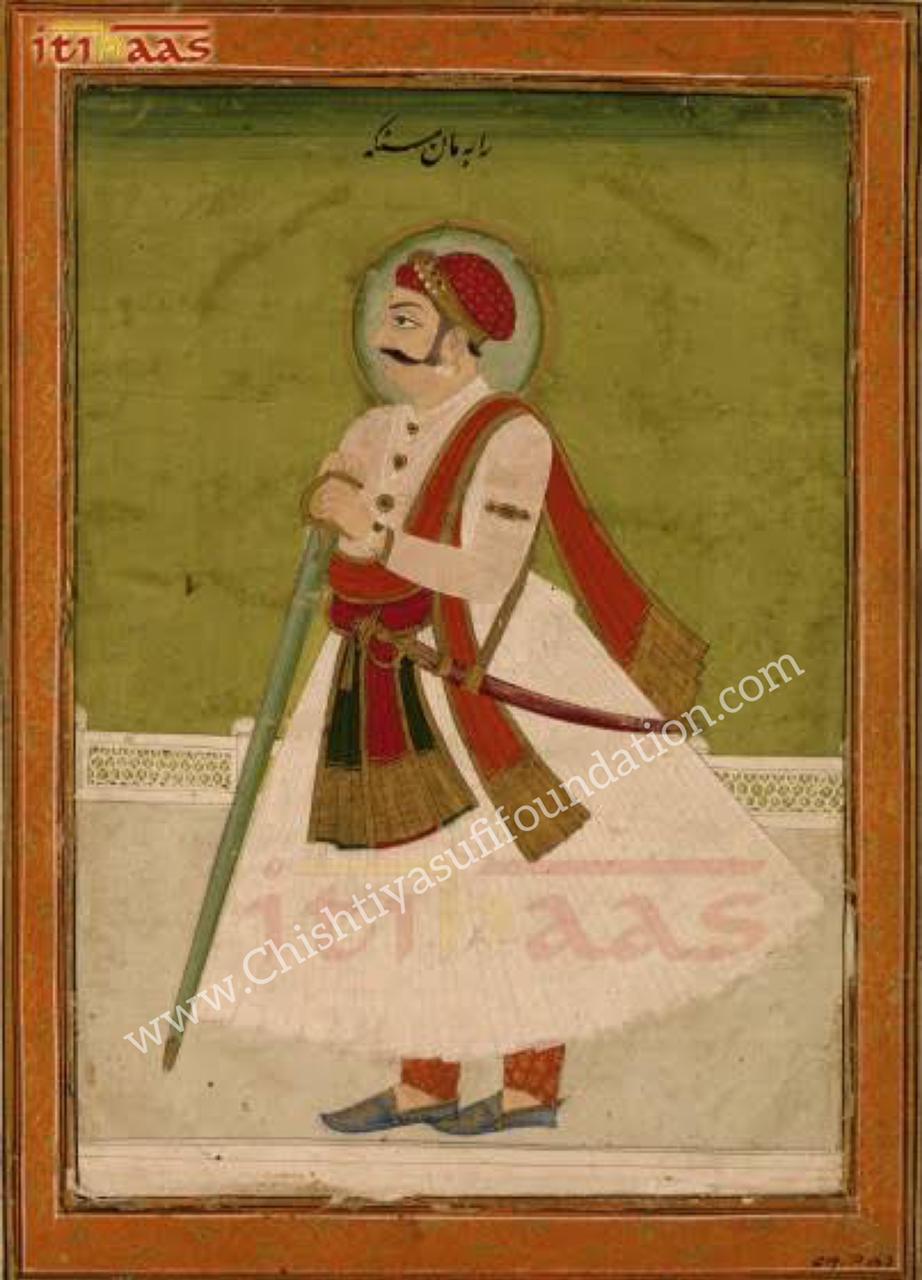
Maharaja of Jaipur, Raja Man Singh, presented the main silver window of the Holy Tomb of Khwaja Sahib (R.A.). The present Maharaja, Col. Bhavani Singhji, and his entire family continue to keep deep faith and adoration for Khwaja Sahib — a devotion passed down through generations of the Jaipur royal family.
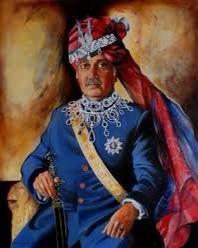
When the heartfelt desires of the Maharaja of Jodhpur were fulfilled by the grace of Khwaja Sahib, he presented himself at the Court with deep gratitude. He offered a white Marble floor and a golden pitcher (Pot) to the Holy Darbar as a token of his thanksgiving and devotion.
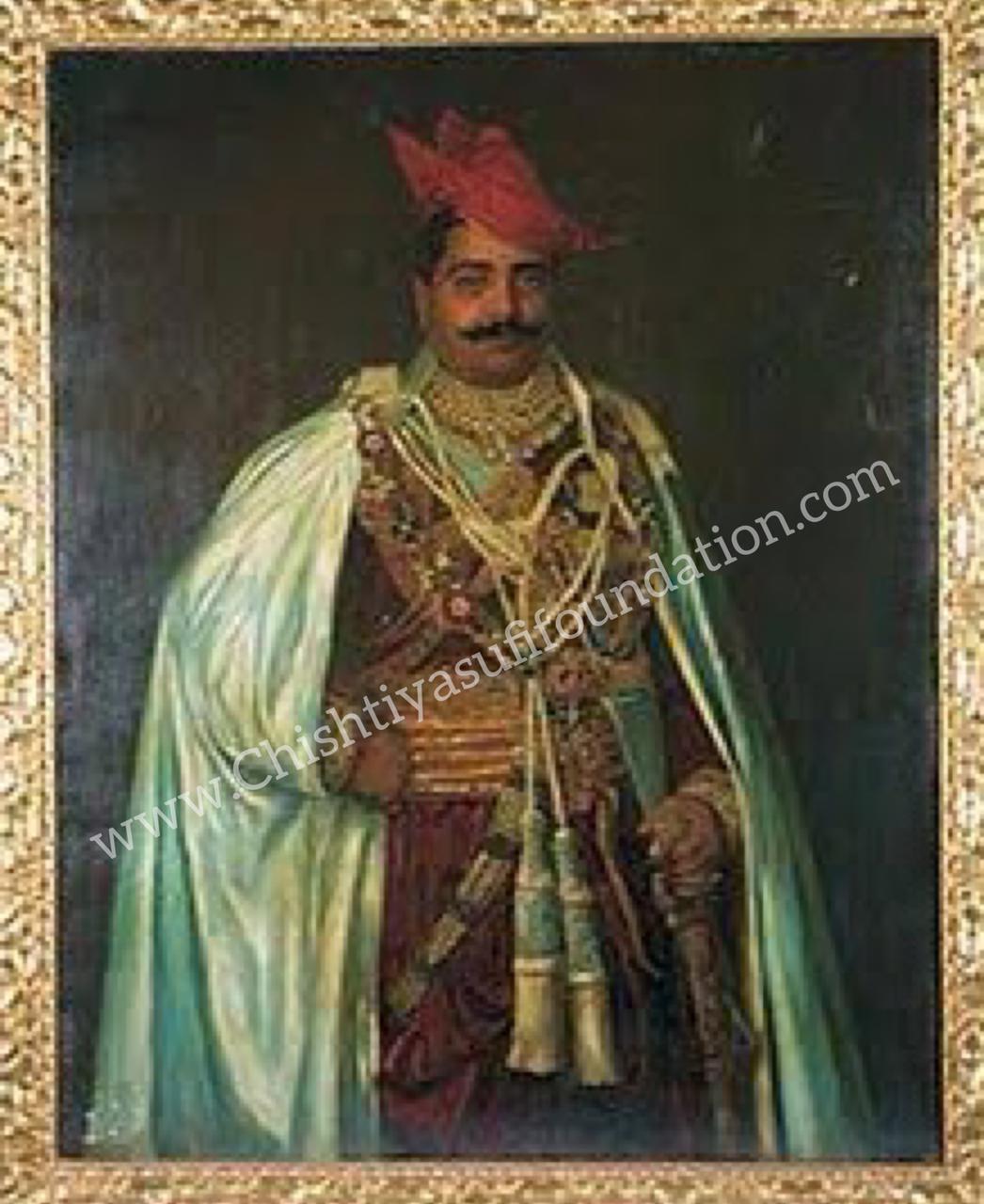
In 1920 A.D., the Maharaja of Gwalior Estate visited the Darbar Sharif and constructed the white-marble staircase at the main gate. He also presented a golden umbrella to be placed on the top of the dome — a magnificent contribution that added to the grandeur of the shrine for all pilgrims.
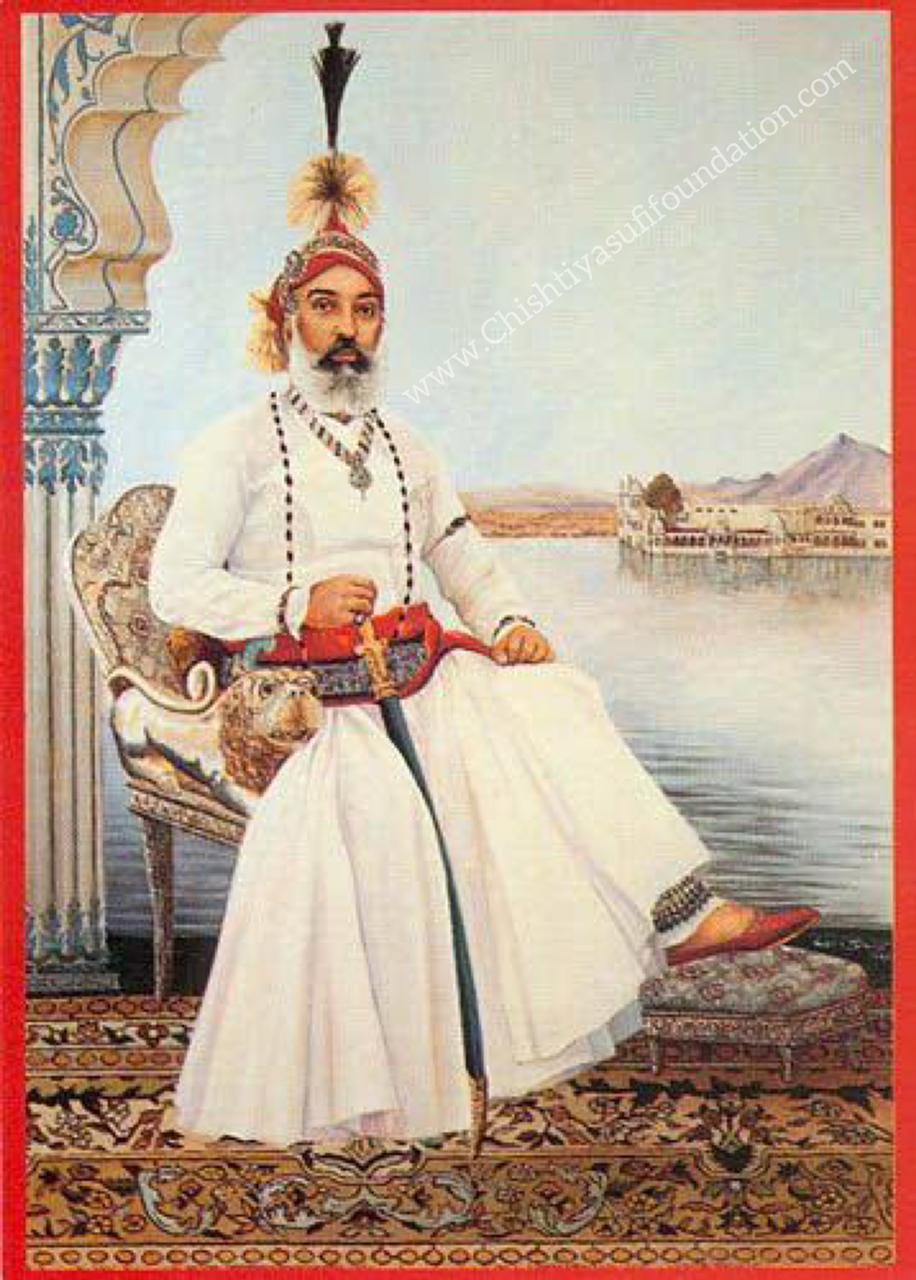
Rana of Udaipur, Bhupal Singhji, maintained a uniquely warm and loving relationship with Khwaja Sahib. Every year during the Urs Mubarak festival, he made the journey to Ajmer to pay his respects. He also enjoyed going on hunting trips with the famous Hakim of Ajmer, Janab Nizamuddin Sahib.
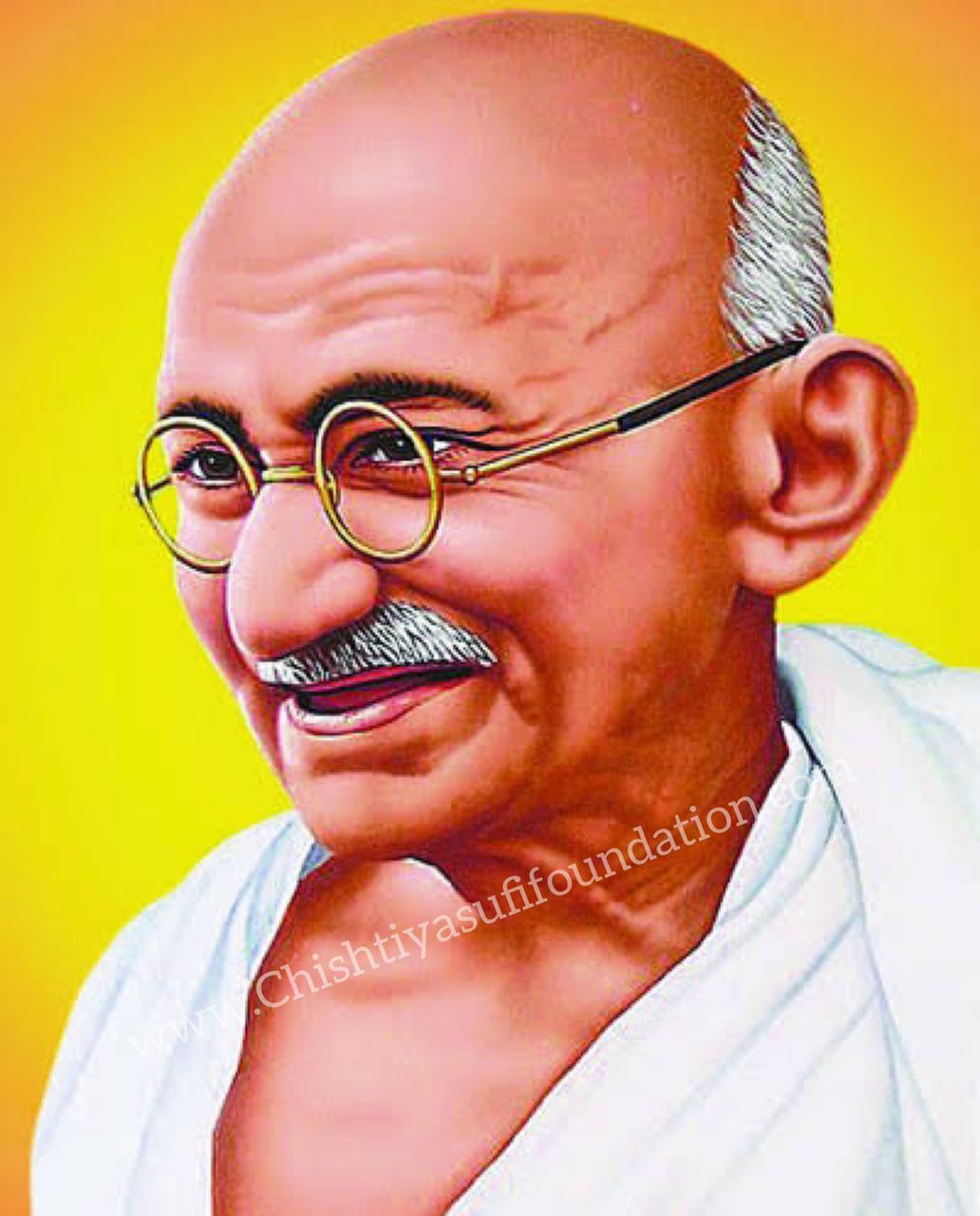
In 1920 A.D., the Father of the Nation, Mahatma Gandhiji, visited the Darbar and offered flowers and Chaddar with sincere devotion and faith at the Tomb. He described this sacred Darbar as a "Centre of Humanity" — words that captured the universal spirit of brotherhood that Khwaja Sahib embodied.
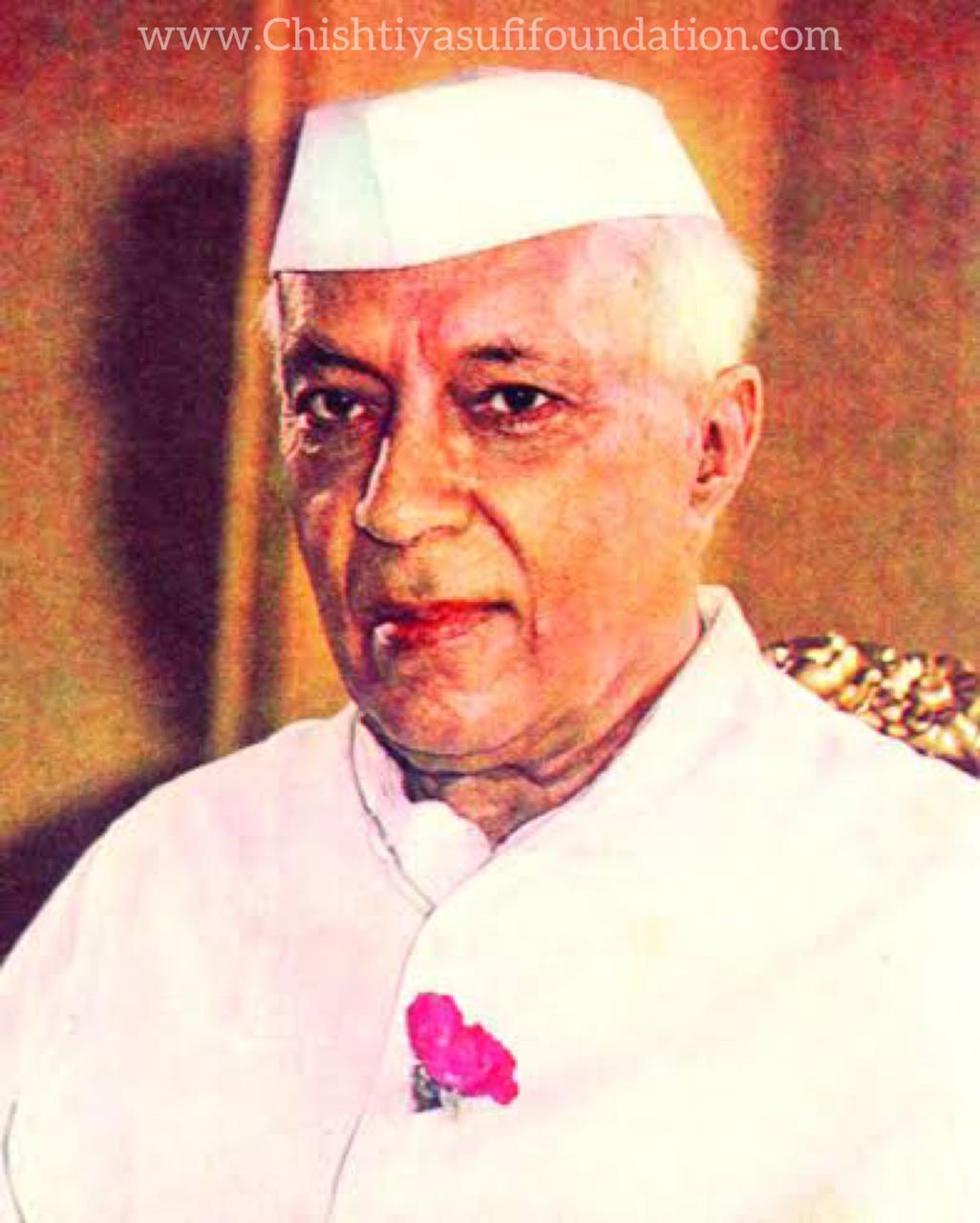
India's first Prime Minister visited the Darbar after independence and said: "I resolved in my mind for the freedom of India and invoked the help of Khwaja Sahib. Khwaja Sahib accepted and fulfilled my desires. I came here to convey my heartfelt thanks to Khwaja Sahib." A statesman acknowledging a saint's role in history.
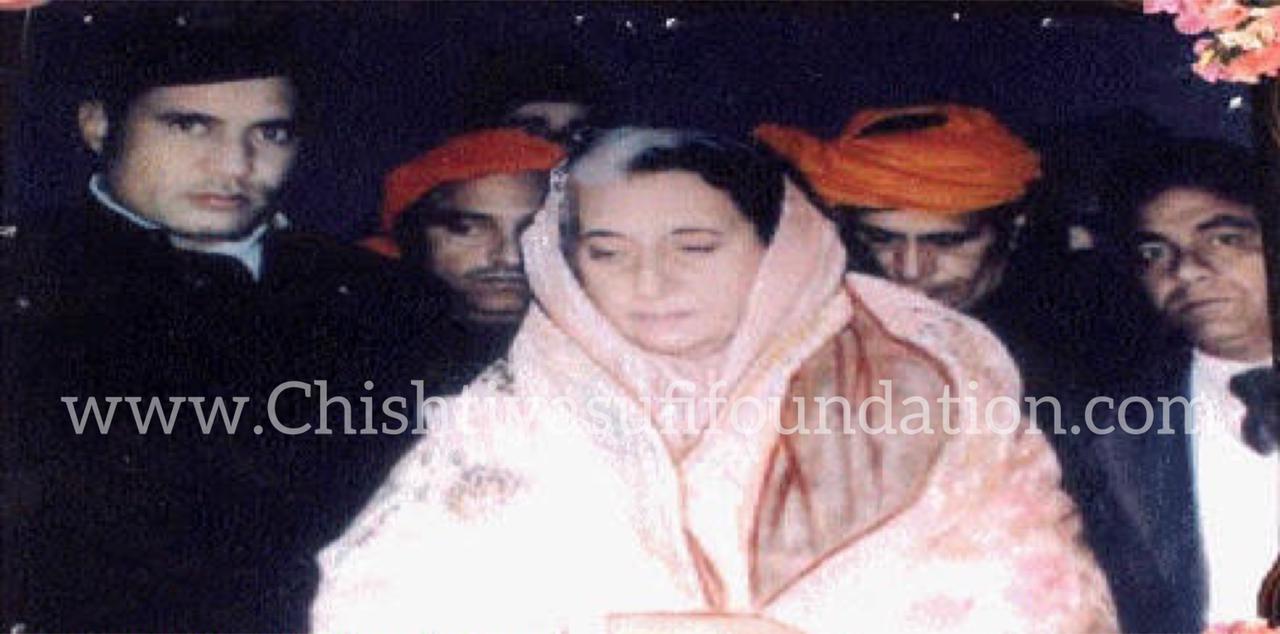
After her 1977 electoral defeat, Indira Gandhi visited the Darbar with flowers and Chaddar on her head. Moved to tears by the Qawwali, she vowed to return as Prime Minister. She kept her promise — and upon returning to power, offered a golden Panja to the Holy Tomb as fulfillment of her sacred vow.
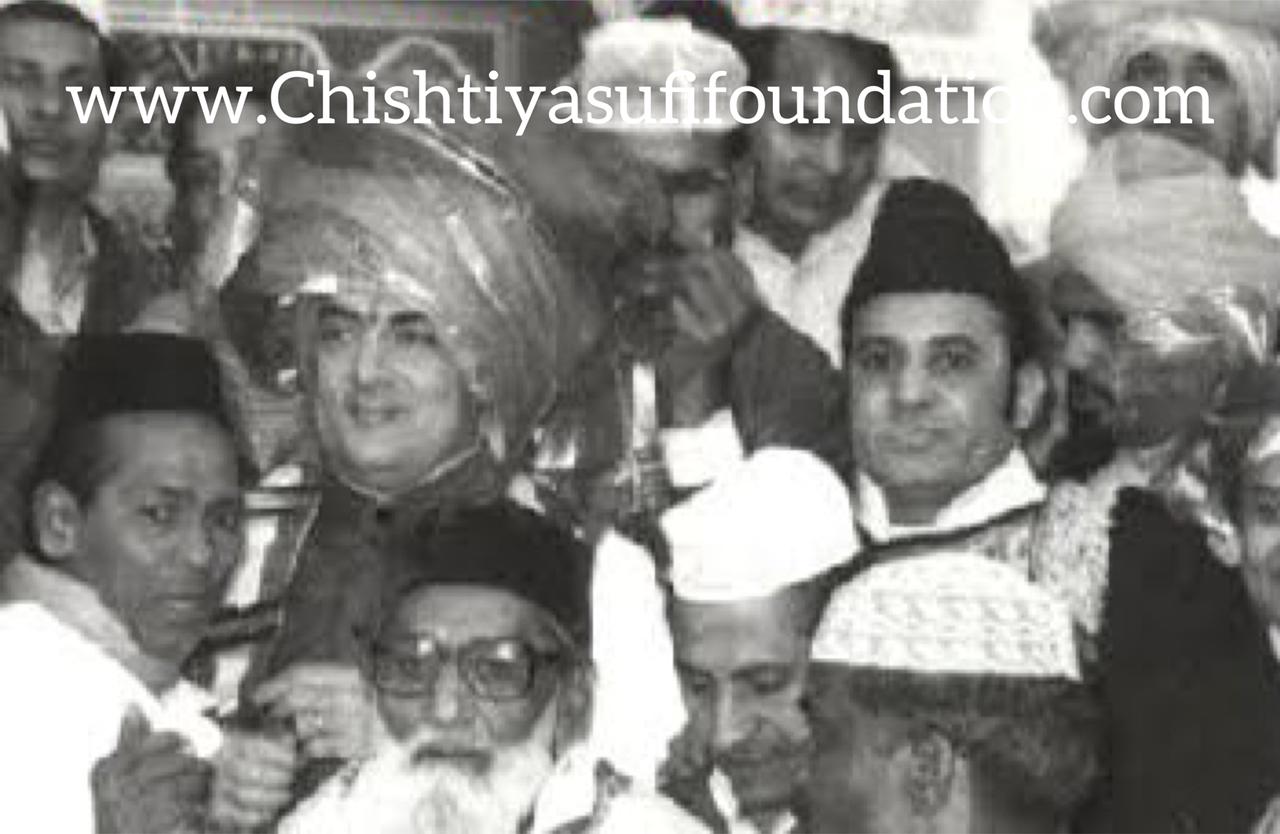
Ex-Prime Minister late Shri Rajiv Gandhi, son of late Smt. Indira Gandhi, also came to visit the Darbar and performed Ziarat — continuing the Gandhi family's tradition of devotion to Khwaja Sahib, a tradition that has connected India's leadership to this sacred shrine across generations.
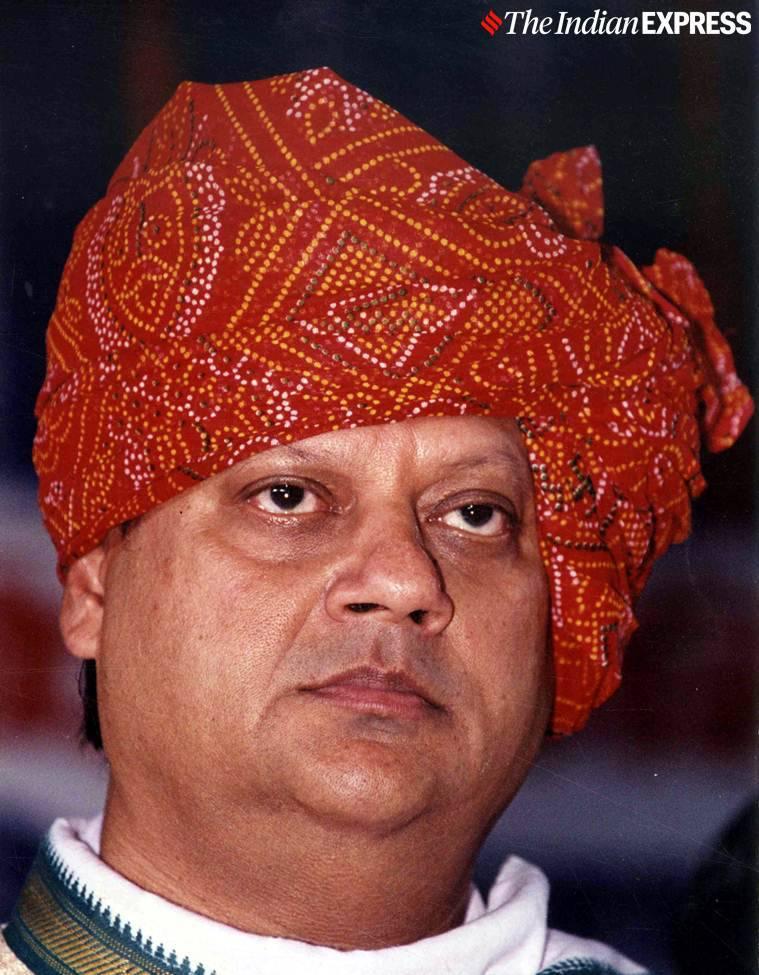
The Maharaja of Gwalior visited the Darbar with his wife and prayed for national integrity and Hindu-Muslim unity. He performed Ziarat and at the time of farewell was honoured with a Shawl and Dastar Bandi (turban ceremony) — a mark of deep spiritual recognition by the Khadim of the Darbar.
.
As it was mentioned before that Khwaja Shaib came to India (Hindustan) accompanied his forty followers and among those followers my ancestoral grand father Syed Fakhruddin Gurdezi (R) was also came, He was one of the main disciple. 'Khas Khadim' and spiritual successor of Khwaja Sahib. He passed his whole life in worshiping the God and to serve Khwaja Sahib, I am also the secendent of that "Gurdezi Baba". There are no any descedent of Khwaja Sahib exists in the world. As a "Khas Gaddinashin Khadim" of Khwaja Sahib, I have to perform all the works relating to Darbar.
"Purposes being built everyday but fail, They only come to Ajmer, To whom Khwaja Calls On".
Khwaja Sahib better known as Gharib Nawaz in the distingushing mark of an enlightened soul and a great saint. In moments of crisis, in time of difficulty, those who have no child, to win over litigations, to have the favour of Khwaja Sahib, people flock to his Darbar, Even today, everyday 25 to 30 thousands of devotees belonging to different caste, creed and religion, different strata of society come to his shelter to get his blessings. Specially, during the 'Urs-Mubarak' festival which begins from the lst of Rajab to 6th of Rajb every year, there are 10 to 12 Lacs of devotees come to visit the Holy Shrine to Kiss the thresh-hold. Through the grace of Khwaja Sahib, every one's hearty & cherished desires being fulfilled.
Those who are unable ot come to Darbar they use to express their hearty desires and offering through letter to me. As per their desires, I use to pray and offer 'Flowers', 'Shrine', 'Chaddar', etc. on behalf of them towards Darbar and send the sacred 'Tabaruk' (Prasaad) and 'Tawiz' to them.
Regarding this, I would like to invite you also over here for 'Ziarat' of the great saint 'the saviour of mankind', 'the spiritual emperor of world' - Hazrat Khwaja Sahib.
Let us, then, move on, with our unflinching loyality to the golden crown of the holy tomb, which is more important to us then all the crowns and empires of the world.
If you are unable to present yourself at the Darbar but yet you can send the offering as per your ability for the flower, shrinee, chaddar, agarbatti, loban, sandal (Chandan) and 'Langer' (food distribution to the one thousand peoples daily day & night). There are two cauldrons (Deg) in Dargah Sharif. In the big cauldron approx 48 qty. food being cooked and in the small cauldron approx 24 qty. food being cooked. If you like, you can also take part in such noble deed send to the address of "Chishtiya Sufi Foundation" by bank Draft/B.P.O./Dollar/by Regd. Pst only infavour of my name and address. If you send from India then send by M.O. your hearty contribution will be utilised towards "Nazar-O-Niyaz' of Darbar and as per your desires and the special prayers will be offered on behalf of you. The sacred 'Tabaruk' (Prasaad) of Darbar will be sent to you.